“Backlinks are dead.” I’ve been hearing that line for more than 20 years, and it has never been more wrong. ChatGPT, Perplexity, Google AI Overviews: search is being reshaped in real time. But if you take that to mean off-page SEO is losing relevance, you’re missing what has actually changed.
When performanceLiebe first looked at which clients were appearing in AI answers in late 2022, one pattern stood out: almost all of them were companies with strong link profiles and a wide third-party footprint. That pattern has only grown stronger since then.
In this article, I’ll show you why off-page optimization is becoming more important in the age of AI, and which strategies can improve both your Google rankings and your visibility in AI-generated answers.
The new search landscape: Google rankings and AI visibility now overlap
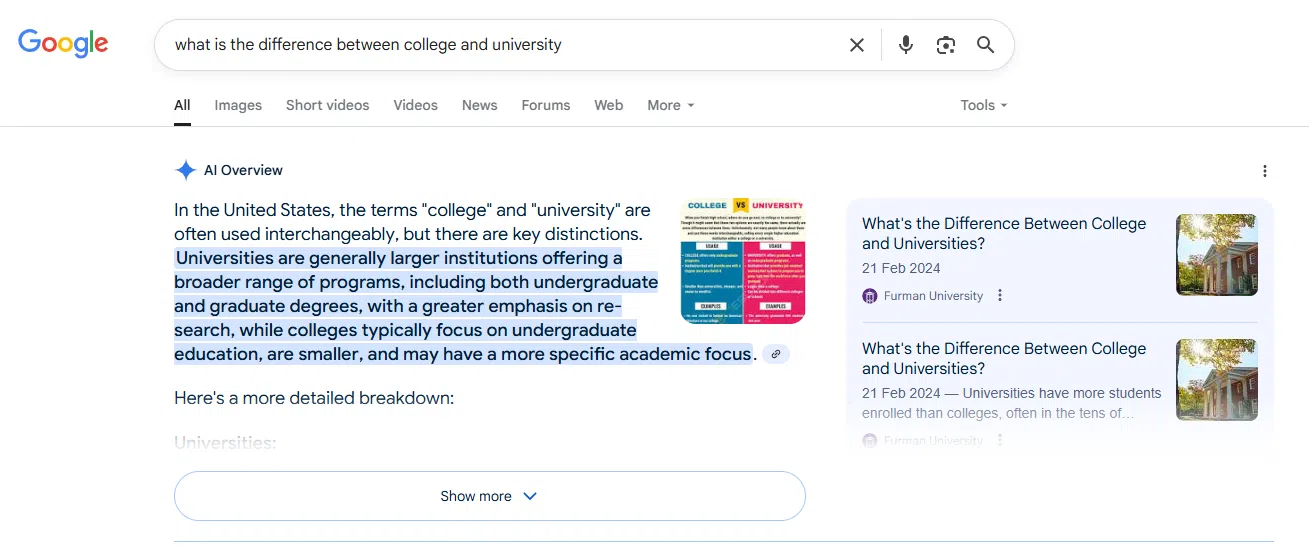
Google’s traditional ten blue links are no longer the only place to compete. People ask ChatGPT questions, use Perplexity to research topics, or see AI-generated summaries directly in Google search results, known as AI Overviews. If your brand isn’t present as a source, you risk becoming invisible to a growing share of searchers.
That changes the rules, though not in the way many people fear.
An analysis by Single Grain shows that at least one domain from the organic top 10 appears as a source in more than 92% of the AI Overviews studied. This doesn’t mean every cited source comes from the top 10. An academic study shows that AI Overviews also draw on pages outside the top results. Still, the correlation is strong: if you rank well organically, you’re cited in AI answers much more often. One of the strongest drivers of organic rankings is still a strong backlink profile.
AI search adds another layer. Large language models such as ChatGPT and Perplexity pull information from a broad network of sources. In that environment, traditional links still matter, but brand mentions on trusted third-party sites often matter too. A study of more than 75,000 brands shows that brands in the top quartile for web mentions appear in more than 10 times as many AI Overviews as brands in the next quartile.
That leaves marketers optimizing for two connected systems: traditional SEO and AI visibility. Off-page optimization helps with both at once.
Trust signals: why backlinks matter for Google and AI systems
Google’s messaging about backlinks has gotten more nuanced in recent years. Gary Illyes from the Google Search Team said that Google needs “very few links to rank pages”, but those links need to be high quality. John Mueller has repeatedly emphasized that link relevance and quality matter more than sheer quantity.
That’s not a rejection of link building. It’s a rejection of bad link building.
I see this every day with our clients: a single editorial link from a relevant industry publication can have more impact than 100 links from web directories. Last year, we placed three targeted expert articles in industry publications for a health ecommerce client. Organic rankings rose noticeably, and within a few weeks, the store suddenly started appearing in ChatGPT recommendations for its product category. That wasn’t a coincidence; it was a pattern.
Why? Google evaluates links in the context of E-E-A-T, which stands for Experience, Expertise, Authoritativeness, and Trustworthiness. Google wants to know whether the site linking to you is trustworthy and whether the link appears in the right topical context. A backlink from a respected industry publication signals: “This page is a trusted source on this topic.”
AI systems rely on many of the same trust signals. The AirOps 2026 State of AI Search Report makes that point clearly:
- 85% of all brand mentions in AI answers come from third-party sites. Your own site is only one part of whether ChatGPT recommends you. What matters is what others write about you, such as an industry magazine mentioning your company in a comparison article.
- Google treats even unlinked mentions as authority signals. LLMs can pick them up as trust signals in their training data.
- nofollow and followed links show nearly identical correlations with AI visibility (0.509 vs. 0.504). For LLMs, context matters more than the technical link attribute.
The takeaway is simple: a strong off-page presence pays off twice, once with Google and once with AI systems that rely on these same trust signals.
Practical tip: For strong off-page SEO, regular monitoring gives you a much clearer picture of what is changing. Seobility’s Backlink Monitoring quickly shows you new and lost links and helps you spot changes in your link profile early.

GEO: what off-page SEO means for AI search
A new discipline has grown up alongside traditional SEO: Generative Engine Optimization (GEO), which focuses on visibility in AI-generated answers. In short, GEO is SEO for AI search engines such as ChatGPT, Perplexity, and Gemini.
For off-page SEO, the work shifts from links alone to mentions, citations, and context. Alongside traditional backlinks, brand mentions become a ranking factor in their own right. A study by Hallam found that brand mentions correlate up to three times more strongly with AI visibility than backlinks alone. Links still matter, but being mentioned in trusted contexts has become another major factor in AI visibility.
The Digital Bloom 2025 AI Visibility Report shows why GEO requires visibility across more than one channel:
- Websites with a presence on four or more platforms are 2.8 times more likely to appear in ChatGPT answers.
- 48% of all AI citations come from community platforms: Reddit, YouTube, and LinkedIn.
- Pages without quarterly updates lose visibility in AI answers three times faster than regularly updated content (AirOps Report, 2026).
In 2026, off-page SEO is no longer just about building links. It means creating a broad network of mentions and references across different platforms. When we at performanceLiebe gathered the material for our new book on GEO (publication date: April 2026), I realized that GEO and traditional link building are closely connected. If you think about one without the other, you miss a large part of the opportunity.
That’s why every client now gets our GEO guidelines by default. The goal is content that earns links while creating the citation signals LLMs look for when making recommendations.
7 strategies for rankings and AI visibility
In agency work, the question that matters most is simple: what actually works? Here are seven approaches we use every day at performanceLiebe and digital-ultras.com. Each supports both traditional Google rankings and AI visibility.
1. Publish your own data and studies
Nothing attracts high-quality backlinks as reliably as original data. Industry surveys, your own analyses, and proprietary research give others something useful to reference. They’re also exactly the kind of content AI systems prefer to cite. According to the Digital Bloom Report, content with statistics increases AI visibility by 22%, and quotable expert statements increase it by 37%.
You don’t need a large-scale study for this. An analysis of your own customer data, an industry survey with 200 participants, or a careful look at public data can be enough, as long as the results are new, relevant, and easy to cite. For an ecommerce client, we created a simple price-comparison study. The study generated more than 15 editorial backlinks within three months without a single outreach email.
2. Digital PR for strategic brand mentions
Every mention of your brand in an industry comparison, expert article, or “best of” list strengthens your co-mention network, or how often your name appears alongside relevant topics. That’s the kind of pattern LLMs use to decide which brands to recommend.
For example, search Google for “best SEO tools 2026” and you’ll find dozens of comparison articles. According to AirOps, listicles account for 32.5% of all AI citations. If your company appears there, your visibility in search results and AI answers can rise at the same time.
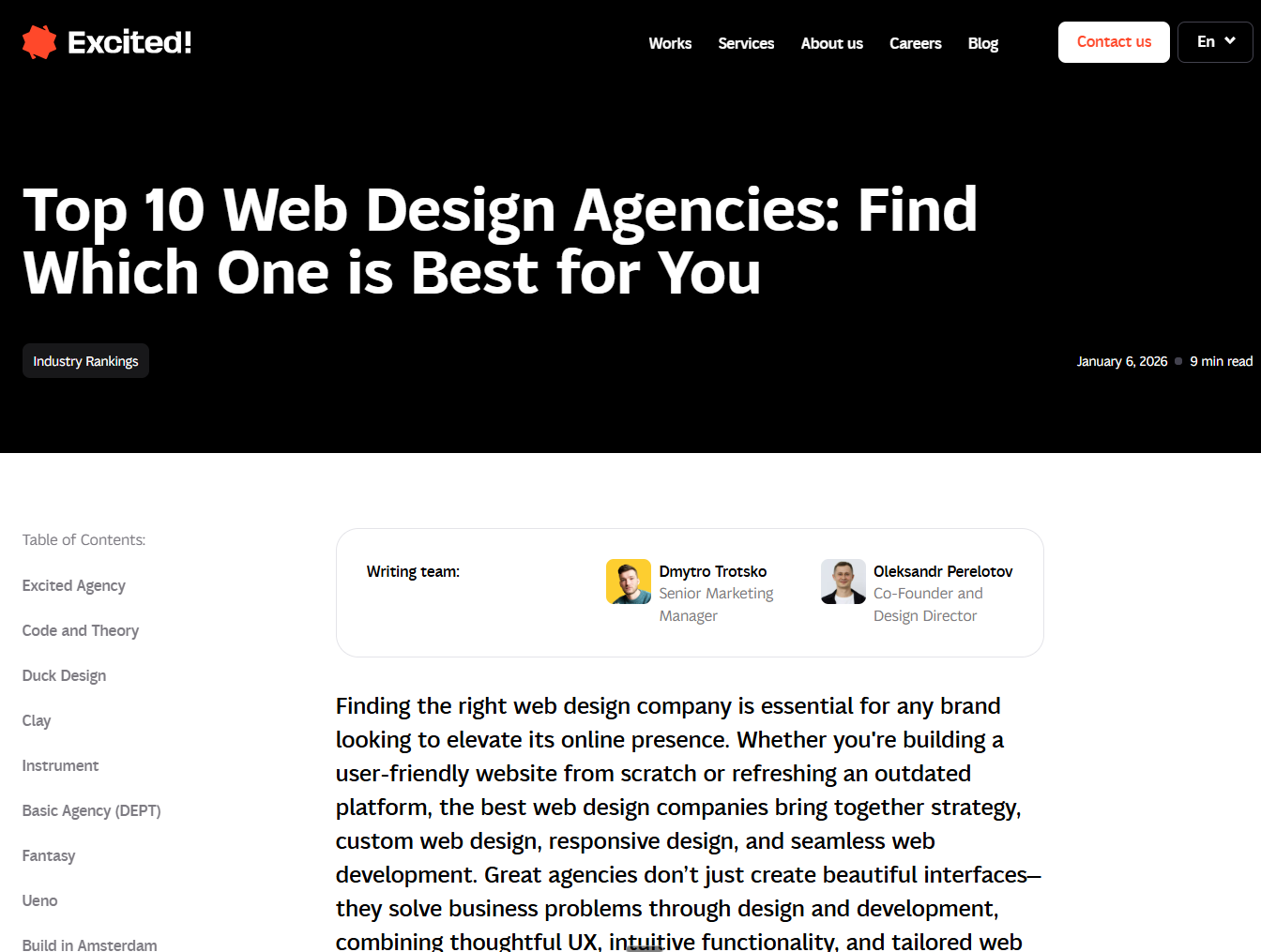
Example comparison article from excited.agency
How do you find the right opportunities? Search for “[your industry] + comparison,” “best + [your product],” or “top + [your category],” and identify articles that don’t mention you yet.
When you find a strong fit, pitch the author with a clear reason to include your company.
3. Build a community presence
Reddit now appears in one in five AI answers. YouTube, LinkedIn, and industry-specific forums are also relevant sources for LLMs.
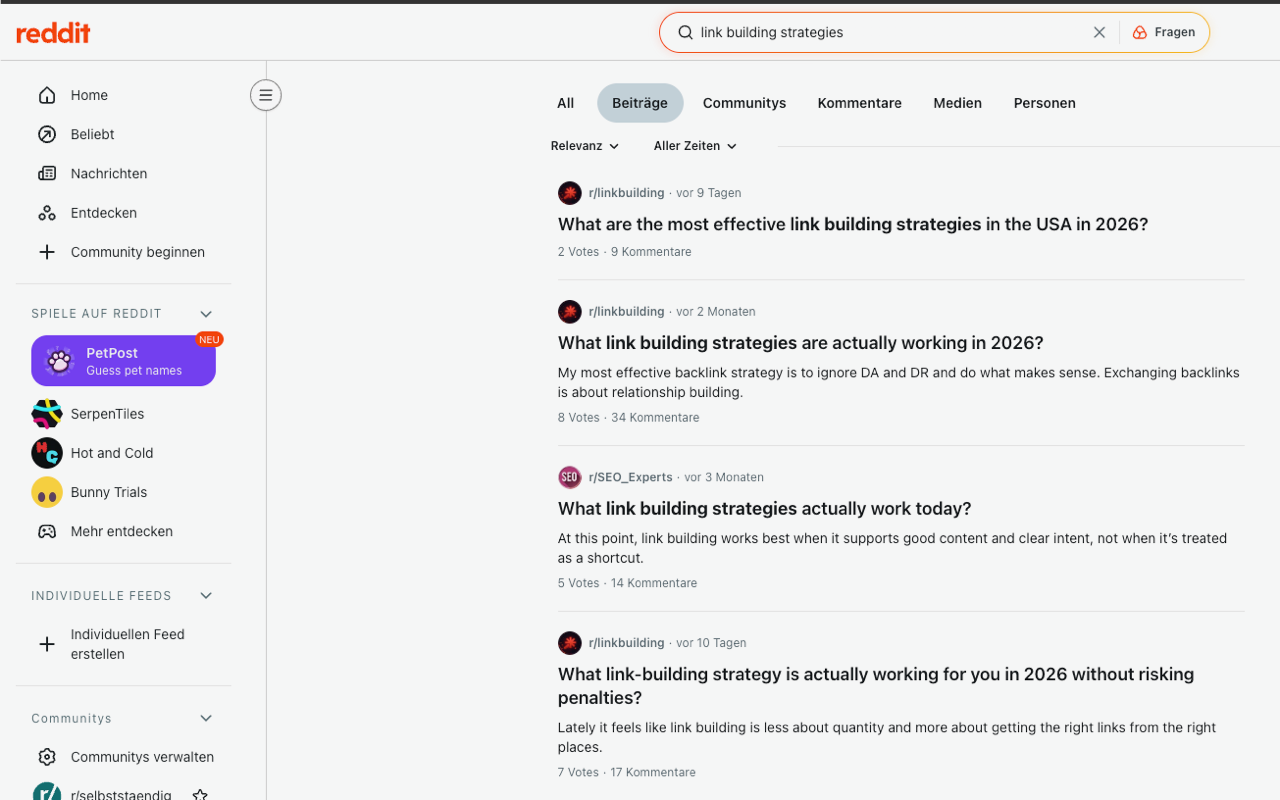
Many SEO pros are now focusing heavily on Reddit. I think that’s too narrow if Reddit is the whole plan. The platform matters, no question. But the real impact comes from the breadth of your community presence.
The good news is that you don’t need to create new content for every channel. The key is to repurpose what you already have. That means reusing existing content and turning it into new formats. You can summarize an expert article from your blog as a LinkedIn post, turn it into a short YouTube video, and share it as a helpful answer in relevant forums. That way, one piece of content can reach four platforms, even with a limited budget and a small team.
4. Build expert authority
An expert quote can earn a high-quality backlink, a brand mention, or both, and it strengthens your author entity in Google’s Knowledge Graph. As your expert profile becomes more established through expert articles, conference talks, and publications, Google and AI systems trust your content more.
How do you get started? Platforms like Featured connect journalists with subject-matter experts. You sign up for free and receive daily requests from journalists looking for expert opinions.
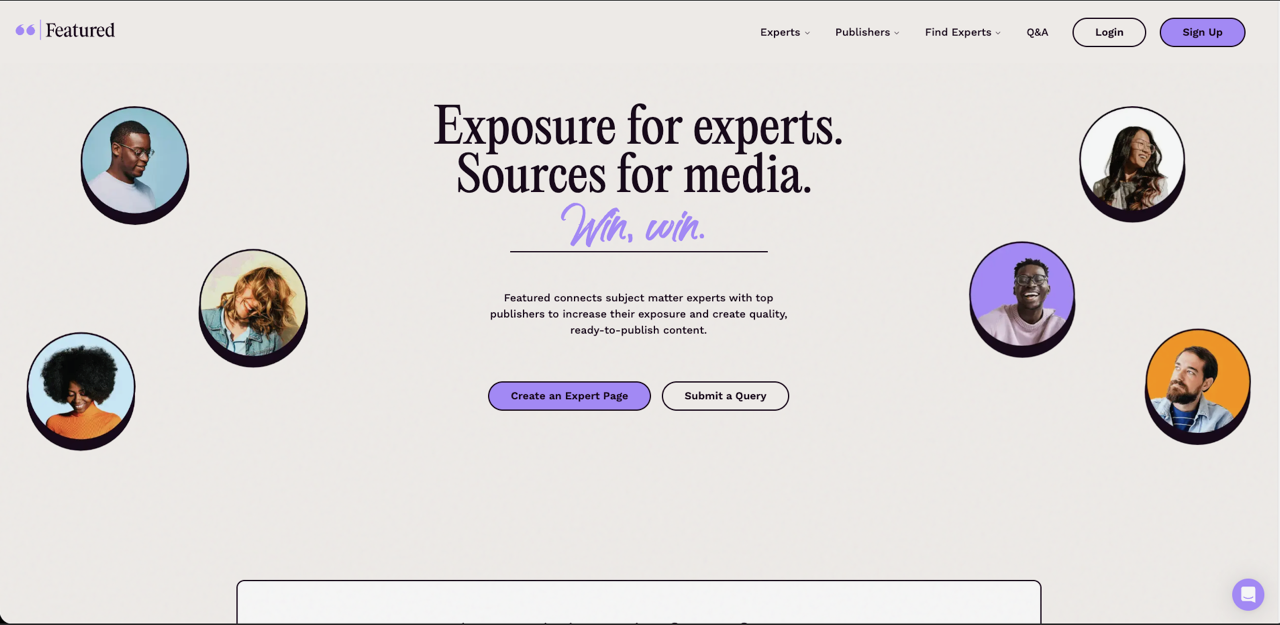
My tip: sign up for two or three platforms and answer one request per week that matches your expertise. After three to six months, you’ll have built a solid portfolio of mentions in industry media.
5. Keep important content up to date
Content updates are easy to underestimate. According to AirOps, 83% of all AI citations come from pages that were updated within the last 12 months. AI systems move past outdated content quickly.
So what should you do? Set a regular update schedule. Add new data, replace outdated examples, and remove passages that are no longer accurate. At performanceLiebe, we use a quarterly calendar: once per quarter, we review every important article. It usually takes one to two hours per page. Compared with the work it takes to win back lost rankings, that’s tiny.
For more on this, see our Content Refresh Guide.
6. Convert unlinked mentions
Many brands are mentioned on the web without a link. These unlinked mentions already help with GEO because LLMs capture them as trust signals. Converting them into backlinks helps you get value from both channels.
Use Seobility’s Backlink Monitoring for regular link profile checks and pair it with Google Alerts for your brand terms.
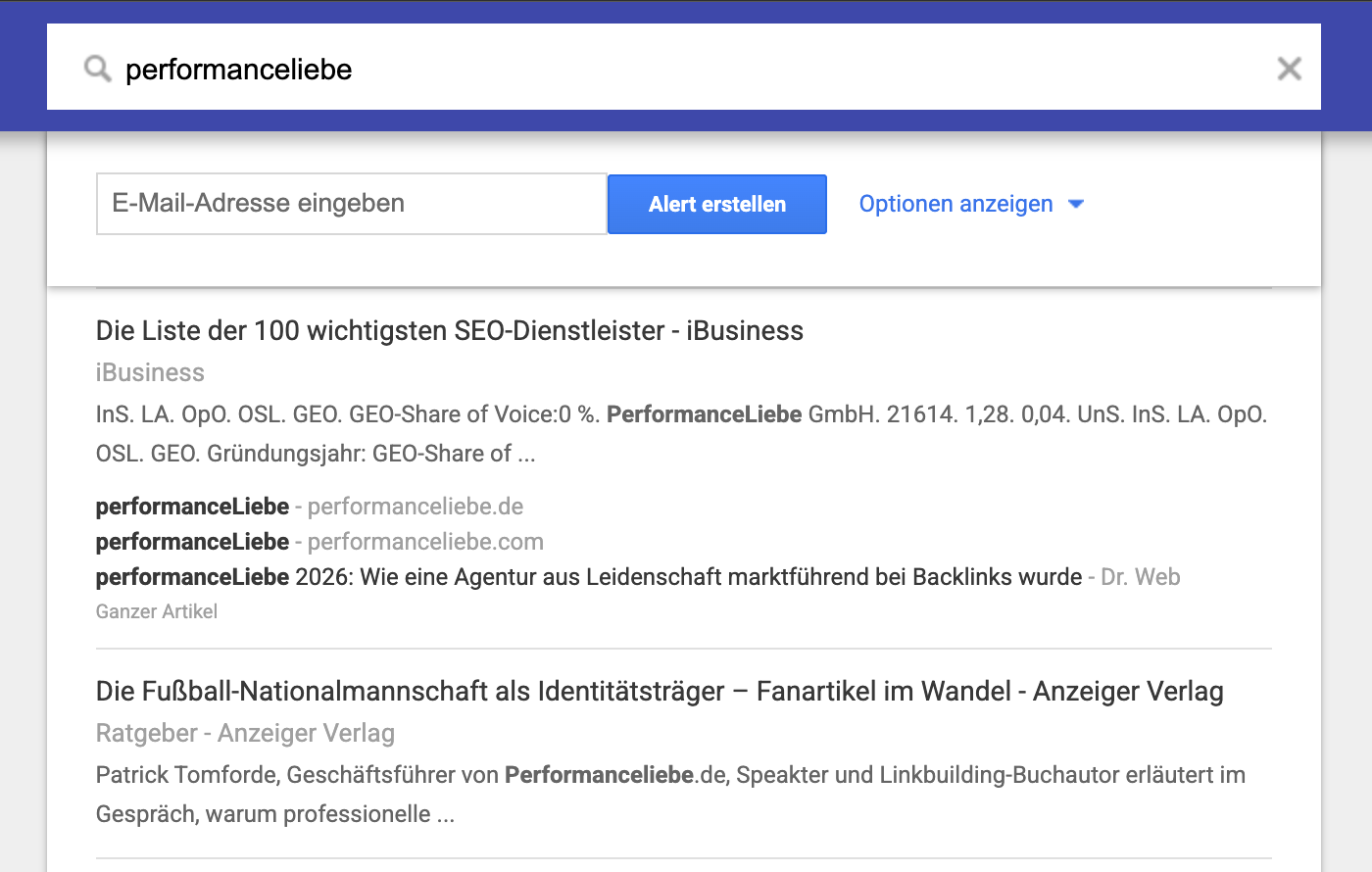
Example Google Alerts results for “performanceliebe”
When someone mentions you without linking, a short email is often enough:
“Hi [Name], thanks so much for mentioning [brand] in your article [title]. Would you be open to adding a link? Here’s the right URL: [link]. Thanks, and best regards!”
In our experience, about 10-15% of the people you contact add the link. It’s a small ask with a strong return.
7. Keep your presence consistent across platforms
Brands with a presence on four or more platforms are more likely to be cited in AI answers. That can include industry directories, review portals, social media profiles, and knowledge hubs like Wikipedia. Wikipedia alone accounts for almost 48% of all ChatGPT citations.
For local businesses, consistent NAP data (name, address, phone number) is especially important across every platform. Inconsistent details erode trust with Google and LLMs alike. Claim all relevant directory profiles and optimize your Google Business Profile.
For companies that don’t rely on local search, the priorities are different: focus on industry directories and expert portals in your niche. Make sure you’re mentioned in relevant Wikipedia articles and build consistent profiles on LinkedIn, YouTube, or industry-specific review portals.
Bottom line: off-page optimization matters more than ever in the age of AI
Link building is dead? Hardly. According to an Aira survey of SEO experts, 94% believe Google will continue using links as a ranking signal over the next five years. At the same time, the studies in this article show how strongly off-page signals influence AI visibility.
In the age of AI, off-page SEO is no longer just link building; it’s broader authority building. Links, brand mentions, expert authority, community presence, and content freshness work together to build the trust signals that Google, ChatGPT, Perplexity, and others rely on when making recommendations.
A good backlink puts your brand in the kind of editorial context where LLMs look for trusted sources. If you invest in high-quality off-page SEO today, you’re building the authority signals AI systems rely on.
My advice: don’t try to do everything at once. Start by taking inventory of your link profile, for example with Seobility’s Backlink Monitoring, and then work through the strategies in this article one by one.
Ironically, the AI revolution itself has made link building and off-page optimization more important than ever. If you act on that now, you’ll build a lead your competitors will struggle to catch.